RussiansInUSA editorial team · Facts checked November 11, 2026 · Official site
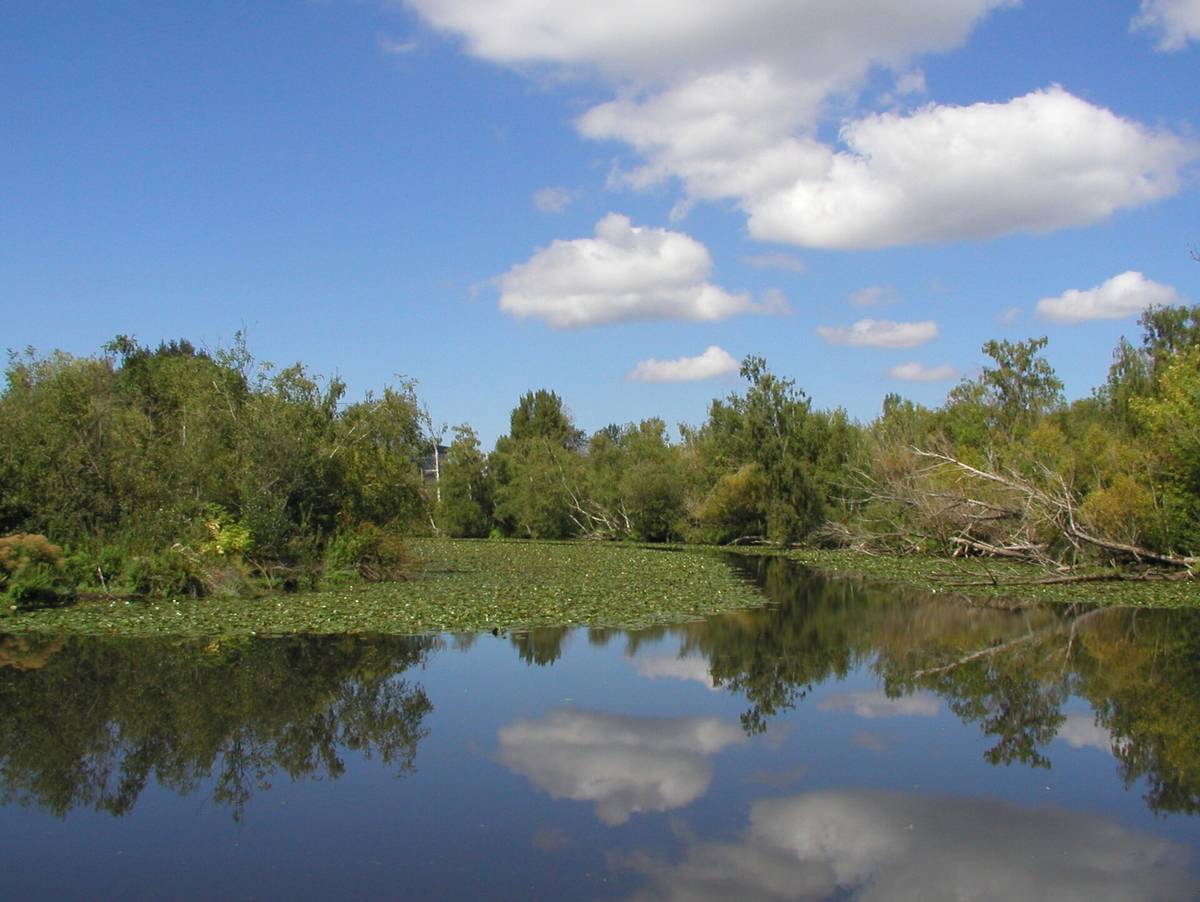
Washington Park Arboretum in Seattle is a free public botanical garden of about 230 acres on Union Bay of Lake Washington, near the Montlake neighborhood. The main entrance and visitors center are at 2300 Arboretum Drive E, and the grounds are open every day from dawn to 8 p.m. People come for Azalea Way in spring, the winter garden, forests from five Pacific Rim countries and the trail over the water to Foster Island.
This page goes deeper than the short entry in our Seattle city guide; the city's other sights are on what to see in Seattle.
Washington Park Arboretum history
According to the Arboretum Foundation, Coast Salish people had several villages around Union Bay before settlers arrived. In the 1880s the Puget Mill Company logged the big trees. In 1900 the land became Washington Park, one of Seattle's first city parks, and for a time it held a horse-racing speedway and a sanitary fill.
In 1903 the Olmsted Brothers designed Lake Washington Boulevard, which still runs through the Arboretum. The Arboretum itself was officially established in 1934, and the Arboretum Foundation formed in 1935 to raise money for it. In 1936 a gift from the Seattle Garden Club paid the Olmsted Brothers to draw a design plan. During the Depression the Works Progress Administration did much of the early building and planting, and the old speedway became Azalea Way.
Brian Mulligan directed the Arboretum from 1945 to 1972, when the collections grew fast. The Seattle Japanese Garden opened in 1960, after the Foundation and the University of Washington began raising money for it in 1957. In the early 1960s the Evergreen Point Floating Bridge (SR 520) cut Foster Island in half.
The Graham Visitors Center opened in 1985 as the Foundation's gift to the city. A master plan developed over eight years by the Foundation, the university and the city and approved in 2001 led to the Pacific Connections Garden and, in 2018, the Arboretum Loop Trail. In 2026 the Foundation and UW Botanic Gardens signed an agreement to consolidate into Seattle Botanic Gardens.
Today the City of Seattle owns the land and the University of Washington owns the trees and plant collections. The city looks after trails, benches and trash; UW Botanic Gardens looks after the gardens and collections.
What to see at the Arboretum
The south end holds gardens arranged by world region; seasonal gardens sit closer to the middle. Pick up a map at the visitors center.
Azalea Way
A level walk of about three quarters of a mile through the heart of the Arboretum and a key part of the original Olmsted Brothers design. The Seattle Garden Club paid for thousands of azaleas planted in 1939. Flowering cherries, dogwoods and magnolias line it too, and spring brings the biggest crowds.
Pacific Connections Garden
Twelve acres of plants from five places linked by the Pacific Ocean: Cascadia, Australia, China, Chile and New Zealand. The Gateway to Chile opened in October 2010 and the 2.5-acre New Zealand Forest in September 2013.
Joseph A. Witt Winter Garden
Plants chosen for winter flowers, scent, bright stems or berries, such as wintersweet with light yellow fragrant flowers, 'Midwinter Fire' dogwood with red and pink stems and 'Red Sprite' winterberry with red berries.
Foster Island and the Waterfront Trail
The Arboretum has about 1,700 feet of shoreline and one of the largest and most significant wetlands on the lake. Foster and Marsh Islands grew a lot after Lake Washington was lowered in 1916. The Waterfront Trail crosses the water on a boardwalk from Foster Island to Marsh Island and on toward Montlake. Look for great blue herons, grebes, cormorants, goldfinches and song sparrows.
Japanese Garden and Rhododendron Glen
The 3.5-acre Seattle Japanese Garden sits at the south end, at 1075 Lake Washington Boulevard East. It is the only part of the Arboretum that charges admission, and the city runs it. Its teahouse burned in 1973 and was restored with Foundation money in 1981. The Foundation finished restoring Rhododendron Glen in 2023.
How to get there
King County Metro route 48 runs from the University District through Montlake and the Central District to Mount Baker; route 43 runs from the University District through Montlake and Capitol Hill to First Hill, with fewer trips, so check its timetable. The Arboretum suggests asking for the McGraw Street stop. From Madison Street, route 11 to Lake Washington Boulevard E leaves a short walk north into the Arboretum.
From the University of Washington Link light rail station it is about a 1.2-mile walk. The Arboretum suggests walkers use the historic Wilcox Bridge at the end of E Lynn Street, because there is no crosswalk where E Foster Island Road meets the boulevard. Plan the trip in the Metro Trip Planner.
By car from downtown, take Madison Street east, turn left on Lake Washington Boulevard E, go 1.1 miles, turn right on E Foster Island Road and after 0.2 miles right on Arboretum Drive E. Free parking is very limited, with lots at the visitors center and the Japanese Garden. Arboretum Drive E is easy for bikes; on Lake Washington Boulevard traffic can be heavy and lanes are narrow. SR 520 construction sometimes closes access roads, so check before you drive.
Hours and tickets
| What | Hours | Price |
|---|---|---|
| Arboretum grounds | daily, dawn to 8 p.m. | free |
| Graham Visitors Center | Tuesday to Sunday, 10 a.m. to 4 p.m. | free |
| Restrooms at the visitors center (outside entry) | daily, 9 a.m. to 5 p.m. | free |
| Japanese Garden, adults 18 to 64 | Tuesday to Sunday, seasonal | $10 |
| Japanese Garden: ages 6 to 17, 65+, students, military, adaptive visitors | same | $6 |
| Japanese Garden: ages 0 to 5 and adaptive assistants | same | free |
Hours and prices checked on November 11, 2026 at botanicgardens.uw.edu and seattlejapanesegarden.org.
The Japanese Garden opens March through November and closes December through February for winter maintenance. Closing time changes by month, from 4 p.m. in November to 7 p.m. May through August, with final entry 45 minutes before closing; on some days it opens at noon. The visitors center usually closes on holidays and its hours can change with staffing, so check the Arboretum visit page before you go.
Tips for your visit
Come in spring for Azalea Way and in winter for the Witt Winter Garden. The visitors center has maps and a numbered guide to the Waterfront Trail. From April to October the Japanese Garden runs free guided tours, usually at 11 a.m. on weekdays; check the garden's site for the current schedule and space limits.
Canoes may land at the new landing areas by Foster Island, but launching boats of any kind inside the Arboretum is not allowed. The Japanese Garden lot is often full on weekends. The Arboretum information line is 206-543-8800.
Questions people ask
Is Washington Park Arboretum free?
Yes. The Washington Park Arboretum grounds in Seattle are free and open every day from dawn to 8 p.m. Only the Seattle Japanese Garden at the south end charges admission: $10 for adults 18 to 64, $6 for ages 6 to 17, seniors, students and military, and free for children 5 and under.
When is the Seattle Japanese Garden open?
The Seattle Japanese Garden opens March through November, Tuesday to Sunday, from 10 a.m., with closing time set by month, from 4 p.m. in November to 7 p.m. in summer. It closes December through February for winter maintenance, and final entry is 45 minutes before closing.
Where do you park at the Arboretum?
Free parking is very limited. There are lots at the Graham Visitors Center at 2300 Arboretum Drive E and at the Japanese Garden at 1075 Lake Washington Boulevard East. The Japanese Garden lot often fills on weekends, so King County Metro route 48 is an easy alternative.
What is the best season to visit?
Spring brings azaleas, cherries and magnolias along Azalea Way, a level walk of about three quarters of a mile. Winter is the time for the Joseph A. Witt Winter Garden, with its fragrant flowers, bright stems and berries. The Japanese Garden is open from March through November and closed from December through February.
Places on the map
Sources
- UW Botanic Gardens: Washington Park Arboretum
- UW Botanic Gardens: Visit the Arboretum
- UW Botanic Gardens: Getting Here
- UW Botanic Gardens: Graham Visitors Center
- UW Botanic Gardens: Planning and History
- UW Botanic Gardens: Azalea Way
- UW Botanic Gardens: Pacific Connections Garden
- UW Botanic Gardens: Shoreline and Foster Island
- UW Botanic Gardens: Witt Winter Garden
- Arboretum Foundation: History of the Arboretum
- Arboretum Foundation: Our History
- Seattle Japanese Garden: Location and Hours
- Seattle Japanese Garden
- King County Metro: Route 48
- King County Metro: Route 43
- King County Metro: Route 11