RussiansInUSA editorial team · Facts checked November 18, 2026 · Official site
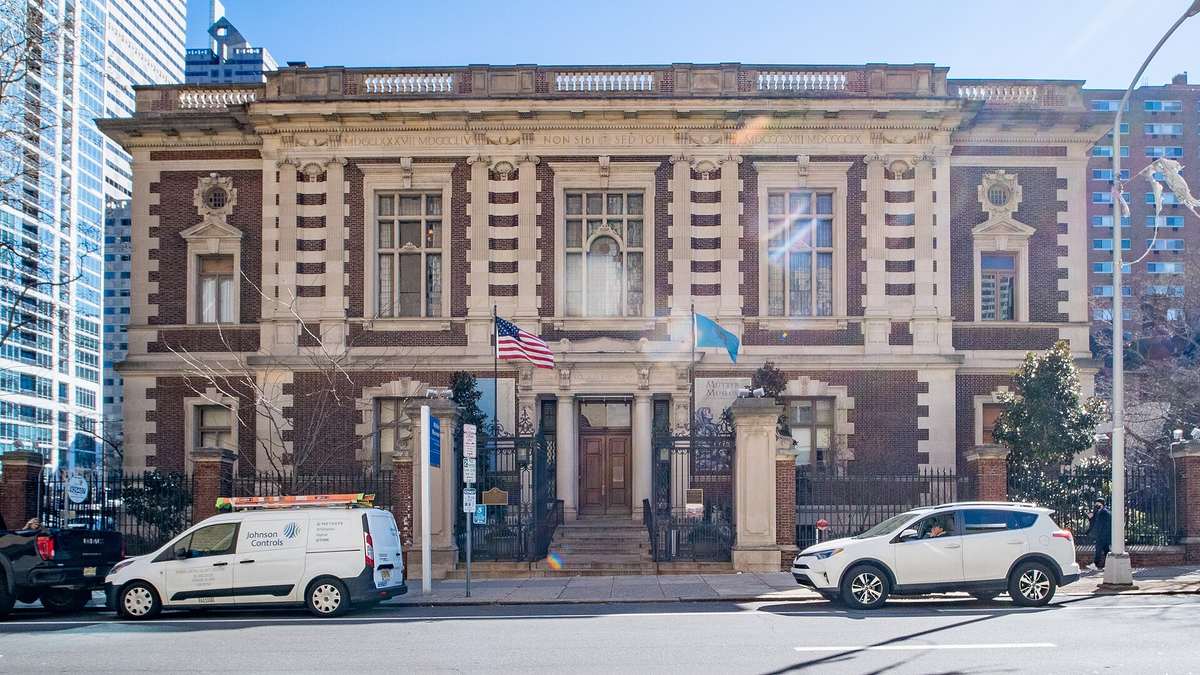
The Mutter Museum (Mütter Museum) in Philadelphia is the medical history museum of The College of Physicians of Philadelphia. It stands at 19 S 22nd Street in Center City, in the middle of the block between Market and Chestnut Streets. It holds anatomical specimens, models and medical instruments, more than 25,000 objects in all. People come to see with their own eyes what rare diseases look like and how doctors treated them one and two centuries ago. It is not for everyone: about 18% of the collection is human remains. Other sights in the city are on the Philadelphia places page.
History of the Mutter Museum
Twenty-four Philadelphia physicians founded the College of Physicians in 1787. In the College's own words, they met to advance the science of medicine and so lessen human misery. It is one of the oldest professional medical organizations in the country and today has nearly 1,500 Fellows.
The museum grew out of a gift from the surgeon Thomas Dent Mütter. In 1859 he gave the College about 1,700 objects and $30,000. The terms were strict: the College had to hire a curator, keep and grow the collection, fund yearly lectures and build a fireproof building for it.
The first museum building was finished in 1863 at Locust and 13th Streets. In 1909 the College moved to its current home on 22nd Street and brought the museum, original cases and all. The collection kept growing with material from closed institutions, retired doctors' private collections and occasional donations. Only part of it is on display at any time; the rest sits in storage rooms in the same building, closed to the public.
What to see at the Mutter Museum
The museum states its aim as helping people understand "the mysteries and beauty of the human body" and the history of how disease was diagnosed and treated. These are the permanent exhibitions it lists on its site.
The Hyrtl Skull Collection
A set of 139 human skulls the museum bought in 1874 from the Viennese anatomist Josef Hyrtl (1810-1894). Hyrtl collected them to argue against the phrenologists, who believed skull shape revealed intelligence and character. He wanted to show how widely skull anatomy varied among people of the same background across Europe.
The Soap Lady
The name given to a woman whose body was exhumed from a Philadelphia cemetery in 1875 and obtained by Dr. Joseph Leidy. Her remains are encased in adipocere, a fatty substance that can form in warm, alkaline, airless ground. Leidy thought she died in the yellow fever epidemic of the 1790s. X-rays in 1987 showed buttons and pins on her clothing made later than that, so he was wrong. In 2007 a radiology team from Quinnipiac University took new X-rays and revised her age at death from about 40 to much younger, perhaps her late 20s.
The Chevalier Jackson Collection
Chevalier Jackson (1865-1958), a Philadelphia ear, nose and throat doctor, developed methods and tools for removing objects stuck in the airways. Over a career of almost 75 years he took 2,374 swallowed or inhaled objects out of patients' throats, esophaguses and lungs. Most are on display, among them small toys and pieces of metal.
The Welcome Gallery and the garden
The Allen R. Myers Welcome Gallery by the entrance gives a visual history of the College and explains its work today: the museum, the Historical Medical Library and the Center for Public Health. The College also keeps the Benjamin Rush Medicinal Plant Garden. The Historical Medical Library takes researchers on Wednesdays and Thursdays, 10 a.m. to 4 p.m. Special exhibitions change; see the On View page. A digital guide with an audio tour is in the Bloomberg Connects app.
How to get to the Mutter Museum
The museum has no parking lot of its own. Below is what its Directions page advises. Line names follow SEPTA Metro's current scheme; check your trip on septa.org.
| Take | Get off at | Walk |
|---|---|---|
| SEPTA Metro T subway-surface trolleys (the museum calls them the green line) | 22nd St, at Market and 22nd Streets | half a block south |
| SEPTA Regional Rail | Suburban Station | a short walk |
| SEPTA Metro L (formerly Market-Frankford) | Drexel Station at 30th St | about 10 minutes |
| SEPTA Regional Rail, Amtrak | 30th Street Station (Gray 30th Street on SEPTA) | about 10 minutes |
| PATCO from New Jersey | change at 8th-Market to the westbound L, ride to Drexel Station at 30th St | about 10 minutes |
From 30th Street Station or Drexel Station at 30th St walk east on Market Street across the Schuylkill River bridge to 22nd Street and turn right. The museum is in the middle of the block.
By car: two paid lots sit next to and behind the building, one entered from Market Street between 21st and 22nd, the other from 21st Street between Market and Chestnut. Most nearby streets have metered parking.
Hours and tickets
The museum is open Wednesday through Monday and closed on Tuesdays.
| Hours | Wednesday to Monday, 10 a.m. to 5 p.m. |
| Closed | Tuesdays; Thanksgiving Day, Christmas Eve, Christmas Day, New Year's Day |
| Adult | $25 |
| Senior, over 65 (ID) | $23 |
| Military (ID) | $23 |
| Student (ID) | $20 |
| Youth, 6-17 | $20 |
| Child, 5 and under | free |
| Members | free all year |
| PA or DE ACCESS card with photo ID | $2, one card covers up to four family members |
Hours and prices checked November 18, 2026 on muttermuseum.org.
Entry is timed: no more than 50 visitors per half hour, and walk-ins without a ticket may be turned away. For weekends the museum strongly recommends buying ahead through its hours and admission page. Some areas sometimes close for private events or installations, so the museum asks visitors to call 215-560-8564 before coming.
Rules and tips before you go
- Photos. No photography or video of any kind in the galleries. Photos are fine in the lobby, the Norris Reading Room and the Benjamin Rush garden.
- Bags and strollers. Strollers, large bags and luggage are not allowed in the museum. Free lockers take items up to 12 x 14 x 15 inches and need a quarter, which you get back. Larger items go in the self-serve coat room.
- Food. There is no cafe, and no food or drink in the galleries. The front desk has a staff list of places to eat nearby.
- Children. The museum recommends it for ages 10 and up and leaves the choice to parents; some specimens show disturbing conditions.
- Access. Wheelchair-accessible restrooms are on the second floor; ask a visitor services associate for the elevator. Some walkways are narrow.
- Firearms are banned for all visitors, permit holders included.
More on the Know Before You Go page. The rest of the city is in our Philadelphia city guide.
Questions people ask
Can you take pictures inside the Mutter Museum?
No. The Mutter Museum in Philadelphia does not allow photography or video of any kind in its galleries. Visitors may take photos only in the lobby, the Norris Reading Room and the Benjamin Rush Medicinal Plant Garden. The rule applies to every visitor, whatever ticket they hold.
What age is the Mutter Museum appropriate for?
The Mutter Museum recommends a visit for ages 10 and up but leaves the decision to parents. About 18% of the collection is human remains, some showing disturbing conditions that may upset young children. Children 5 and under get in free, and youth tickets for ages 6 to 17 cost $20.
Do you need to buy Mutter Museum tickets in advance?
For weekends the museum strongly recommends it. Entry is limited to 50 visitors per half hour, and a visitor without a ticket may be turned away. Buying a timed ticket online at muttermuseum.org before the trip is the safest way to be sure of getting in, especially on Saturday or Sunday.
What day is the Mutter Museum closed?
The Mutter Museum is open Wednesday through Monday, 10 a.m. to 5 p.m., and closed every Tuesday. It also closes on Thanksgiving Day, Christmas Eve, Christmas Day and New Year's Day. Some areas may close for private events, so the museum asks visitors to call 215-560-8564 before visiting.
Places on the map
Sources
- Mütter Museum: home page, hours
- Mütter Museum: hours and admission
- Mütter Museum: know before you go (photos, lockers, age, access)
- Mütter Museum: directions and parking
- Mütter Museum: about, history of the gift and buildings
- Mütter Museum: Hyrtl Skull Collection
- Mütter Museum: The Soap Lady
- Mütter Museum: Chevalier Jackson Collection
- Mütter Museum: Allen R. Myers Welcome Gallery
- Mütter Museum: Unseen (collection kept in storage)
- The College of Physicians of Philadelphia: about (founded 1787)
- SEPTA stops API: Metro L stops (8th-Market, Drexel Station at 30th St)
- SEPTA stops API: Metro T stops (22nd St)
- SEPTA Regional Rail arrivals API: Suburban Station, Gray 30th Street